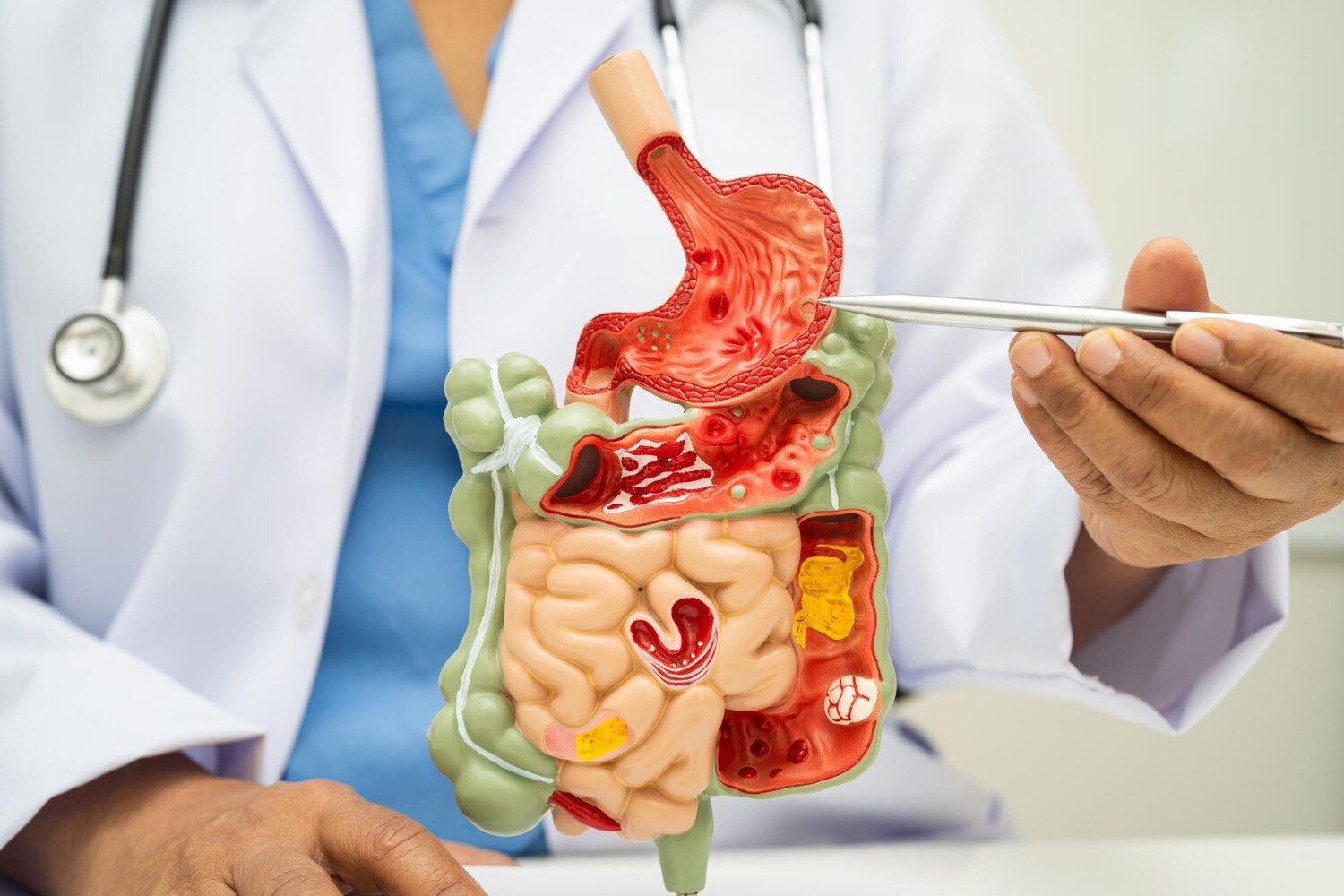
Digestive symptoms that last, return repeatedly, or require constant self-medication deserve more than trial-and-error treatment. You will learn when to seek emergency help, what a gastroenterologist evaluates, how to prepare for testing, and how to compare specialist services before booking care.
Key takeaways
- Seek assessment for recurring symptoms or regular medicine use.
- Bring symptom timing, medicines, diet changes, and previous reports.
- Match each test to the digestive-health question it needs to answer.
- Choose hospital care when symptoms require coordinated tests or procedures.
When recurring digestive symptoms need specialist assessment
Symptoms lasting more than a few days, recurring episodes, or regular use of antacids, laxatives, anti-diarrhoeal medicines, or restrictive diets count as ongoing digestive concerns. Arrange medical assessment instead of repeatedly managing the problem yourself.
- Recurrent heartburn needs gastroenterology review when it continues despite treatment or includes chest discomfort, regurgitation, or swallowing difficulty.
- Arrange prompt evaluation for difficulty swallowing, persistent upper-abdominal pain, bloating with weight loss, chronic diarrhoea, constipation with a major bowel-habit change, blood in stool, jaundice, unexplained weight loss, repeated vomiting, or anaemia.
- Progressive swallowing difficulty, a palpable abdominal mass, iron-deficiency anaemia, and unexplained weight loss require prompt assessment rather than prolonged self-treatment.
Similar symptoms can begin in the oesophagus, stomach, bowel, liver, gallbladder, pancreas, or biliary tract. A symptom alone is not a diagnosis, so a gastroenterologist Nagarabhavi search can start the process, but severity determines how quickly you need care.
Go to emergency care for vomiting blood, black tarry stool, heavy rectal bleeding, fainting, confusion, severe or worsening abdominal pain, a rigid or severely distended abdomen, high fever with abdominal pain, jaundice with fever, or inability to keep fluids down. Do not wait for a routine appointment.
At the first visit, bring a symptom timeline, medicine list, and previous test reports. Record stool changes, vomiting, triggers, weight change, and bleeding; this helps the clinician separate digestive disease from medication effects, infection, or food intolerance.
What to bring and what happens at the first consultation
Make the first gastroenterology appointment useful by arriving with a seven-day symptom record, complete medication information, and every relevant report.
1. Record when symptoms began, how often they recur, meals that trigger them, and what relieves them. Note stool frequency and colour, diarrhoea or constipation, blood or mucus, vomiting episodes, fever, and weight change.
2. Bring complete blood counts, liver-function tests, ultrasound or CT reports, endoscopy and colonoscopy reports, pathology results, and discharge summaries. Carry medication strips and a written list of prescriptions, supplements, painkillers, antacids, laxatives, and anti-diarrhoeal medicines, including over-the-counter remedies.
3. Tell the clinician about alcohol use, diet, previous operations, and family history of colorectal or stomach cancer. Do not rely on memory for medicines or symptom timing.
The clinician will build a timeline and ask what started first, how long episodes last, and whether treatment changes them. The examination can include hydration, pulse, blood pressure, abdominal tenderness or distension, jaundice, pallor, and signs of liver disease.
This information helps separate a gastroenterology condition from a medication effect, infection, food intolerance, or a problem needing another specialty. A super speciality hospital gastroenterologist Nagarabhavi appointment is most productive when abnormal reports and your complete medication history arrive with you.
A written record also prevents a short consultation from missing the detail that connects a trigger to a recurring symptom.
Which tests answer which digestive-health question
Each investigation answers a narrower question; no single test explains every digestive symptom.
| Test | Question it answers | Important limit |
|---|---|---|
| Complete blood count | Is there anaemia or evidence of infection? | Iron studies clarify whether anaemia reflects iron deficiency. |
| Liver-function tests, bilirubin and viral-hepatitis testing | Is liver or biliary disease likely? | Review medicines and alcohol; normal liver enzymes do not reliably exclude significant fibrosis. |
| Lipase | Is pancreatic inflammation possible? | Interpret it with symptoms and imaging. |
| Stool culture or molecular testing | Is an infectious organism causing diarrhoea? | Faecal occult-blood testing answers a different question: hidden bleeding. |
| Ultrasound | Are the liver, gallbladder, bile ducts or abdominal fluid abnormal? | CT gives better cross-sectional detail for inflammation, obstruction, masses and complications. |
| Upper endoscopy | Are the oesophagus, stomach or duodenum affected? | Biopsies can assess ulcers, Helicobacter pylori, coeliac disease and eosinophilic oesophagitis. |
| Colonoscopy | Are the rectum or colon affected, and are polyps present? | It can remove polyps and take biopsies; normal-looking lining does not exclude microscopic colitis or other disease. |
Fast before an upper endoscopy. For most elective colonoscopies, use split-dose bowel preparation and take the second dose close to procedure time according to local instructions; poor cleansing can hide lesions and force an early repeat. Before sedation, disclose sleep apnoea, heart or lung disease, allergies, pregnancy possibility, anticoagulants and diabetes medicines.
Arrange an escort, do not drive afterwards, and expect monitored recovery before discharge at a gastroenterology hospital in Bengaluru.
How to choose between a physician, gastroenterologist, and hospital service
Start with a general physician or internal-medicine doctor for a new, mild symptom without alarm features, a medication review, or several unrelated complaints. Choose a gastroenterologist when symptoms recur, tests are abnormal, endoscopy may be needed, or disease involving the liver, pancreas, gallbladder, bowel, or colon is suspected.
| Clinician or service | Best fit | What changes the choice |
|---|---|---|
| General physician | New, mild, uncomplicated symptoms | Medication review or several unrelated complaints |
| Gastroenterologist | Recurrent symptoms or abnormal tests | Endoscopy or organ-specific disease is suspected |
| Multispeciality hospital | Complex or unstable digestive illness | Bleeding, obstruction, severe liver disease, or a procedure complication |
For typical heartburn without alarm symptoms, a clinician may try a proton-pump inhibitor before invasive testing. Persistent symptoms, poor response, swallowing difficulty, bleeding, weight loss, suspected oesophagitis, or Barrett’s oesophagus require a different plan.
Before booking through a search for super speciality hospital nagarabhavi, ask for:
- The gastroenterologist’s recognised specialist qualification and registration
- Emergency access, endoscopy, anaesthesia support, radiology, and pathology turnaround
- Blood-bank, intensive-care, and surgical backup
- Waiting times, preparation instructions, approximate costs, and follow-up after an abnormal result
A hospital service earns its value when these teams can coordinate quickly rather than sending you between facilities. Abhani Lakeview Hospital may suit Bengaluru residents needing medical, diagnostic, emergency, critical-care, and surgical support, but verify the named clinician, procedure availability, and after-hours pathway first. The search phrase indicates location, not clinical quality.
Related service
GASTROENTEROLOGY GASTROENTEROLOGY Abhani Hospitals is a trusted destination for advanced Gastroenterology treatment in Nagarbhavi, Bangalore, offering expert care for a wide range of... |
What ongoing care may involve after the diagnosis
Pain stopping does not prove that the underlying problem has ended. Helicobacter pylori testing may use one of these methods:
| Test | Sample or procedure | Important limitation |
|---|---|---|
| Urea breath test | Breath sample after swallowing labelled urea | Acid-suppressing medicines and recent antibiotics can cause false negatives |
| Stool antigen test | Stool sample checked for H. pylori proteins | Confirm the required medicine washout before testing |
| Endoscopic biopsy-based test | Stomach tissue collected during endoscopy | Requires an invasive procedure but can assess other stomach conditions |
Ask the clinician how long to stop proton-pump inhibitors, other acid-suppressing medicines, and antibiotics before testing. After a positive result, complete the eradication regimen chosen for your previous antibiotic exposure and local resistance patterns. Confirm eradication afterward; improved pain is not proof of success.
Chronic liver disease can remain silent. Follow-up may combine blood tests, viral-hepatitis testing, ultrasound, medication and alcohol review, and non-invasive fibrosis assessment. Normal liver enzymes alone do not reliably exclude significant fibrosis.
With cirrhosis, ask about liver-cancer surveillance with ultrasound about every six months, oesophageal-varix assessment, vaccination, and prevention or treatment of ascites, encephalopathy, and infection.
After endoscopy or colonoscopy, ask:
- Which biopsy results are pending?
- When should you restart anticoagulants or diabetes medicines?
- Which symptoms require urgent help?
- When is the next appointment?
Keep your diagnosis, reports, medication schedule, and warning signs in writing. Seek immediate care for fresh bleeding, black stools, fainting, worsening pain, persistent vomiting, fever, confusion, or jaundice.
Frequently asked questions
When should recurring digestive symptoms be assessed by a gastroenterologist?
Arrange an assessment when symptoms last more than a few days, keep returning, or require regular antacids, laxatives, anti-diarrhoeal medicines, or restrictive diets.
What should you bring to a first gastroenterology consultation?
Bring a symptom timeline, current and recent medicine list, diet changes, previous reports, scan or endoscopy results, and details of bowel changes, pain, vomiting, weight loss, or bleeding.
What happens during the first gastroenterology consultation?
The doctor reviews your symptoms, medical history, medicines, diet, and previous reports, then performs an examination and decides whether tests or follow-up are needed.
How do digestive tests answer different health questions?
Blood tests assess issues such as anaemia, inflammation, liver function, and infection; stool tests examine bleeding, infection, or inflammation; ultrasound or CT scans show abdominal organs; endoscopy examines the upper digestive tract; colonoscopy examines the colon.
How do you choose between a physician, gastroenterologist, and hospital service?
See a physician for an initial assessment of common symptoms, a gastroenterologist for recurring or complex digestive concerns, and a hospital service when you need coordinated diagnostics, endoscopy, emergency care, or treatment by multiple teams.
Keywords