
Most people think about their heart, blood pressure or blood sugar when discussing long-term health.
But two small organs quietly perform some of the body's most essential functions every day: the kidneys.
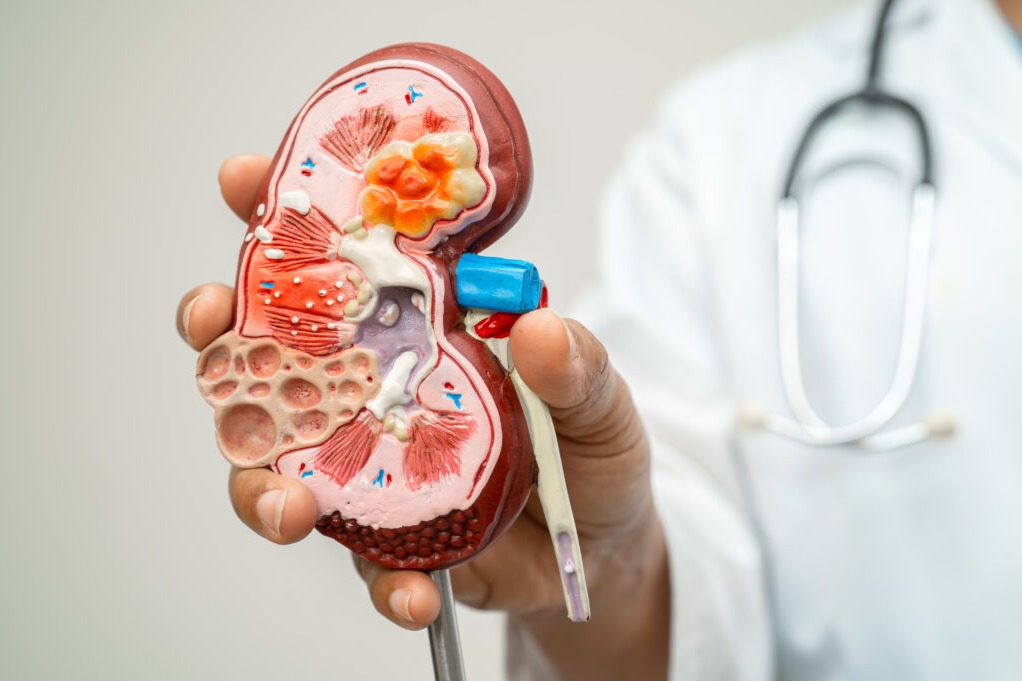
Located on either side of the spine, the kidneys filter waste from the blood, regulate fluid balance, help control blood pressure and maintain important mineral levels.
The challenge is that kidney disease can develop slowly, sometimes without obvious warning signs.
A person may continue with their usual routine for months or years without realising that kidney function is declining.
This is why understanding kidney health, particularly for individuals with diabetes or high blood pressure, is so important.
What Is Nephrology?
Nephrology is the branch of medicine concerned with kidney function, kidney diseases and conditions that affect the kidneys.
A nephrologist is a doctor who specialises in assessing and managing medical kidney disorders.
Common conditions include:
- Chronic kidney disease (CKD)
- Acute kidney injury
- Diabetic kidney disease
- Kidney problems related to hypertension
- Protein or blood abnormalities in urine
- Glomerular diseases affecting the kidney's filtering structures
- Electrolyte and fluid-balance disorders
- Advanced kidney failure
Nephrology differs from urology. While urologists frequently manage structural or surgical urinary tract problems, nephrologists focus primarily on kidney function and medical diseases affecting the kidneys.
Both specialties may work together when necessary.
1. Chronic Kidney Disease: A Condition That Can Develop Silently
Chronic kidney disease occurs when kidney structure or function remains abnormal for more than three months and has implications for health.
It can develop gradually, reducing the kidneys' ability to remove waste products and maintain the body's fluid and electrolyte balance.
Diabetes and high blood pressure are two leading causes of chronic kidney disease in adults.
Other causes include certain autoimmune conditions, inherited kidney diseases and recurrent or prolonged kidney injury.
One of the biggest misconceptions is that kidney problems always cause pain.
In reality, early chronic kidney disease often causes no noticeable symptoms.
Many patients learn about kidney problems only after undergoing blood or urine investigations.
2. Early Warning Signs of Kidney Problems
Although symptoms are not always present, certain changes may indicate that kidney health needs medical evaluation.
Unusual swelling
Swelling around the feet, ankles or sometimes the face can occur when the body retains excess fluid or loses significant amounts of protein through the urine.
However, swelling can also result from heart, liver or other medical conditions.
Persistent fatigue
When kidney function declines, waste products may accumulate and complications such as anaemia may develop, contributing to tiredness.
Foamy urine
Persistent foamy urine may sometimes indicate protein in the urine.
Occasional bubbles are not necessarily a sign of disease, but repeated or unexplained changes deserve evaluation.
Changes in urination
Urinating more often at night, producing unusually small amounts of urine or noticing other persistent changes may require assessment.
Loss of appetite or nausea
These symptoms can occur in more advanced kidney disease, although many other conditions can cause them.
Difficulty concentrating
Advanced kidney dysfunction and related complications may affect energy, alertness and concentration.
None of these symptoms confirms kidney disease on its own. Blood and urine tests are essential for diagnosis.
NIDDK+1
3. How Diabetes and Blood Pressure Affect Kidney Health
The kidneys contain tiny blood vessels that filter waste from the bloodstream.
Over time, poorly controlled diabetes can damage these filtering structures.
Similarly, persistently elevated blood pressure can place strain on blood vessels within the kidneys.
This relationship can become a cycle.
High blood pressure may contribute to kidney damage, while declining kidney function may make blood pressure harder to control.
People with diabetes or hypertension should discuss kidney screening with their doctor even when they have no urinary complaints.
Early detection creates opportunities to treat contributing conditions and reduce the risk of further decline.
4. Which Tests Help Detect Kidney Disease?
Two of the most important investigations assess filtration function and urine protein leakage.
Serum creatinine and estimated glomerular filtration rate (eGFR)
Creatinine is a waste product measured through a blood test.
Doctors use creatinine, along with other information, to estimate how efficiently the kidneys are filtering blood.
The resulting eGFR helps assess kidney function.
An eGFR below 60 that persists for more than three months may indicate chronic kidney disease, although diagnosis requires interpretation alongside other findings.
Urine albumin-to-creatinine ratio (UACR)
This test measures the amount of albumin, a protein, passing into the urine relative to creatinine.
Increased urinary albumin can be an early sign of kidney damage, even when kidney filtration appears relatively preserved.
Doctors may also recommend urinalysis, electrolyte tests, blood pressure monitoring or kidney imaging according to the individual's symptoms and medical history.
NIDDK+1
5. Can Chronic Kidney Disease Be Reversed?
The answer depends on the type and cause of kidney damage.
Some acute kidney problems improve after prompt treatment.
Chronic kidney disease, however, usually involves lasting changes that cannot always be reversed.
Importantly, this does not mean that every person with CKD will develop kidney failure.
Medical treatment and lifestyle measures may help slow progression, manage symptoms and reduce complications.
Treatment may include:
- Controlling blood pressure
- Managing blood glucose
- Using kidney-protective medications when appropriate
- Reducing excess dietary sodium
- Adjusting nutrition according to kidney function and laboratory results
- Reviewing medications that may affect kidney health
- Monitoring kidney function regularly
Patients should not begin strict protein restriction, high-potassium diets or excessive fluid intake without medical guidance. Nutritional needs differ significantly according to kidney function and the treatment being received.
6. What Happens if Kidney Disease Becomes Advanced?
When kidney function becomes severely reduced, the body may struggle to regulate fluids, electrolytes and waste products.
At this stage, treatment may become more complex.
Some patients require dialysis, a process that helps remove waste and excess fluid when the kidneys can no longer perform these functions adequately.
Other patients may be considered for kidney transplantation, depending on medical suitability.
Not everyone with chronic kidney disease needs dialysis.
The decision depends on clinical symptoms, laboratory results, complications and overall health rather than a single test value.
7. Everyday Habits That Support Kidney Health
Protecting kidney health involves consistent decisions rather than quick fixes.
Maintain blood pressure and blood glucose within targets recommended by your doctor. Eat a balanced diet with appropriate salt intake, remain physically active and avoid smoking.
Stay adequately hydrated, but remember that drinking excessive water does not automatically improve kidney function.
Avoid regular or unnecessary use of painkillers such as certain non-steroidal anti-inflammatory drugs, particularly if you have kidney disease or other risk factors.
Inform your doctor about herbal products, supplements and over-the-counter medications because some may affect kidney function.
When Should You Consult a Kidney Specialist?
Consider a nephrology evaluation if you have persistent abnormalities in kidney blood tests, significant protein in urine, unexplained swelling or worsening kidney function.
People with diabetes, hypertension, cardiovascular disease or a family history of kidney failure may benefit from regular screening based on their clinician's advice.
Seek urgent medical care for a major decrease in urine output, severe breathlessness, confusion or rapidly worsening swelling.
Kidney Health and Coordinated Care at Abhani Lakeview Hospital
Kidney health is closely connected with diabetes, hypertension and overall metabolic health.
Abhani Lakeview Hospital in Nagarbhavi provides internal medicine and diabetes-related care, which are important components of identifying and managing kidney disease risk.
Patients with suspected kidney disease may require nephrology assessment, laboratory investigations and specialist-led management depending on the clinical findings.
Contact Abhani Lakeview Hospital, Nagarbhavi, to enquire about kidney health assessment and nephrology consultation availability.
Frequently Asked Questions
Q1. Can kidneys become damaged without causing pain?
Yes. Chronic kidney disease may develop without pain or other obvious symptoms.
Q2. Is foamy urine always a sign of kidney failure?
No. However, persistent foamy urine can sometimes indicate protein leakage and should be evaluated.
Q3. Does every patient with kidney disease require dialysis?
No. Many patients are managed with medication, monitoring and lifestyle measures.
Q4. How often should diabetic patients undergo kidney screening?
Annual kidney screening is commonly recommended for many adults with type 2 diabetes, although testing frequency depends on individual risk and clinical findings.
Q5. What is the difference between a urologist and a nephrologist?
A urologist primarily manages urinary tract and related surgical conditions, whereas a nephrologist specialises in medical kidney diseases and kidney function.
Abhani Lakeview Hospital
Muddinapalya Main Road, Herohalli, Annapurneshwari Nagar, Bengaluru – 560091.
08048034781
Keywords