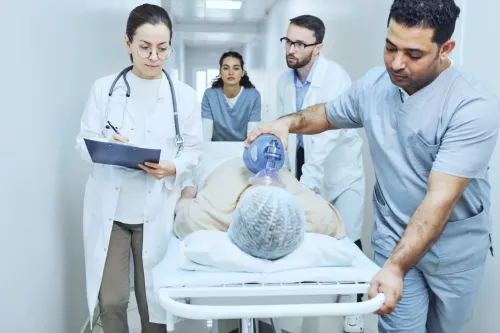
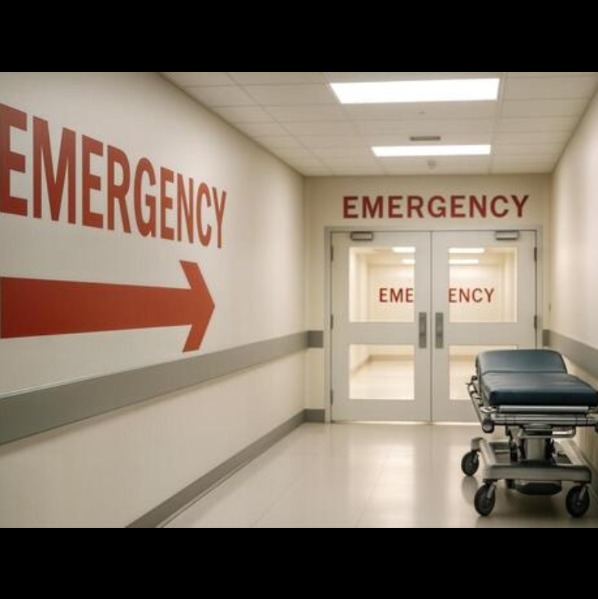
It might begin with a sudden chest pain during dinner, a family member struggling to breathe in the middle of the night, or an elderly parent becoming unexpectedly confused and unresponsive.
In these moments, families often face a difficult question: Should we wait and see if the symptoms improve, or seek emergency medical attention immediately?
Recognising a serious medical emergency and taking prompt action can make a significant difference.
Emergency medicine and intensive care are closely connected areas of healthcare, but they serve different purposes.
Emergency departments assess and stabilise patients with urgent medical conditions. Intensive care units provide specialised monitoring and treatment to patients whose conditions are life-threatening or require advanced support.
Understanding how these services work can help families make informed decisions when every moment matters.
1. What Is Emergency Medical Care?
Emergency medical care focuses on the immediate evaluation, stabilisation and treatment of illnesses or injuries that may threaten a person's life or long-term health.
Unlike a routine consultation, emergency care must prioritise the most urgent conditions first.
A person experiencing severe chest pain may need rapid cardiac assessment. Someone with breathing difficulties may require oxygen or other respiratory support. A road accident victim may require immediate evaluation for internal bleeding or serious injuries.
Emergency care commonly involves rapid assessment, monitoring of vital signs, diagnostic investigations and treatment based on the suspected condition.
Depending on the diagnosis, a patient may be discharged after stabilisation, admitted to a hospital ward, moved to intensive care or transferred for specialised treatment.
2. Seven Warning Signs You Should Never Ignore
Not every symptom requires a trip to the emergency department. However, certain symptoms should never be treated as routine complaints.
1. Sudden or persistent chest pain
Chest discomfort, especially when accompanied by sweating, breathlessness, nausea or pain extending towards the arm or jaw, may indicate a serious heart condition.
A possible heart attack requires immediate emergency assessment.
2. Severe difficulty breathing
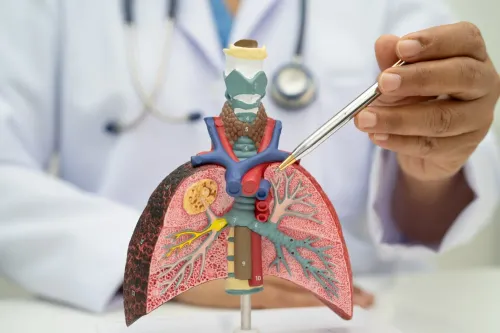
Sudden shortness of breath, gasping, blue or grey lips, or inability to speak comfortably due to breathlessness can indicate a serious respiratory or cardiovascular problem.
3. Signs of a stroke
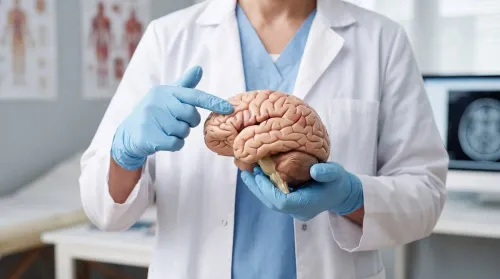
Sudden facial drooping, weakness in one arm, slurred speech, loss of balance or new visual disturbances can be warning signs of stroke.
Remember the acronym FAST:
- F – Face: Is one side of the face drooping?
- A – Arms: Is one arm weak?
- S – Speech: Is speech unclear or unusual?
- T – Time: Seek emergency help immediately.
4. Sudden loss of consciousness
Fainting that is prolonged, unexplained or accompanied by other serious symptoms requires urgent evaluation.
5. Severe injuries or uncontrolled bleeding
Major road accidents, serious head injuries, deep wounds and uncontrolled bleeding need emergency attention.
6. Seizures or sudden severe confusion
A first-time seizure, prolonged seizure, repeated seizures without recovery, or sudden unexplained changes in awareness may indicate an emergency.
7. Severe allergic reactions
Rapid swelling of the tongue or throat, breathing difficulty, or collapse after exposure to food, medication or an insect sting may indicate anaphylaxis.
These symptoms require immediate emergency treatment.
MedlinePlus
3. What Happens When a Patient Arrives at an Emergency Department?
Many families feel anxious because they do not know what to expect.
Emergency treatment generally begins with a process called triage.
Triage helps medical professionals identify which patients need immediate attention based on the seriousness of their condition.
A patient with severe breathing difficulty or signs of a heart attack may require assessment before someone with a relatively minor injury, even if the latter arrived earlier.
The medical team may check blood pressure, pulse, oxygen saturation, temperature and level of consciousness.
Depending on the symptoms, doctors may recommend blood tests, an electrocardiogram (ECG), imaging or other investigations.
Treatment begins according to clinical urgency and may take place alongside investigations.
The purpose is to identify life-threatening conditions promptly, stabilise the patient and decide the appropriate next level of care.
4. What Is an Intensive Care Unit (ICU)?
An intensive care unit is a specialised hospital area designed for people with severe illnesses or injuries requiring close medical observation and advanced treatment.
Patients in an ICU often need more frequent assessment and specialised support than can be provided in a routine hospital ward.
An intensive care team may include doctors trained in critical care, specially trained nurses, respiratory care professionals and other healthcare specialists.
Equipment used in intensive care may include bedside cardiac monitors, infusion pumps, ventilators and other supportive technologies.
Not every ICU patient requires a ventilator.
The level of monitoring and treatment depends on the individual's medical condition and clinical needs.
5. Which Patients May Require ICU Admission?
Intensive care may be necessary when an illness or injury significantly affects vital bodily functions.
Examples include:
Severe respiratory failure
Patients whose lungs cannot adequately oxygenate the blood or remove carbon dioxide may need advanced respiratory support.
Sepsis and septic shock
Sepsis is a life-threatening response to infection that can cause organ dysfunction. Some patients develop dangerously low blood pressure and need intensive monitoring and treatment.
Serious cardiac conditions
Certain heart attacks, dangerous heart rhythm disturbances and severe heart failure may require intensive cardiac monitoring.
Major trauma
Patients with serious injuries from road accidents, falls or other incidents may require critical care, especially if there is severe bleeding or organ damage.
Complicated postoperative recovery
Some patients need intensive monitoring after major surgery, particularly when underlying medical conditions or complications increase risk.
Acute kidney injury or multiple-organ dysfunction
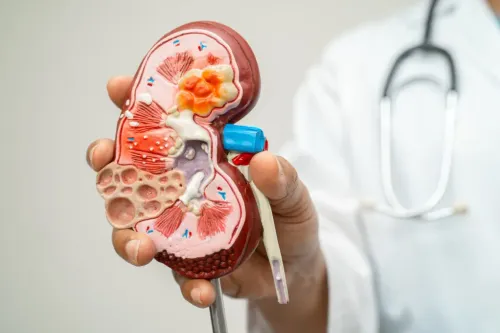
Severe deterioration in kidney function and other organ systems may require intensive treatment and, in selected cases, organ-support therapies.
Critical care provides around-the-clock observation and specialised interventions for patients with life-threatening conditions.
MedlinePlus+1
6. What Is the Difference Between Emergency Care and ICU Care?
Although these services often work together, they have different roles.
Emergency department
Intensive Care Unit
Provides urgent assessment and initial treatment
Provides ongoing care for critically ill patients
Handles sudden illness and injuries
Manages severe and unstable medical conditions
Focuses on rapid diagnosis and stabilisation
Focuses on continuous monitoring and advanced support
Patients may be treated and discharged or admitted
Patients generally require hospital admission and specialised care
A patient may enter through the emergency department and subsequently require ICU admission if their condition is critical.
However, not every emergency patient needs intensive care.
7. Why Early Medical Attention Matters
During certain emergencies, delays may increase the risk of complications.
For example, a blocked artery during a heart attack can damage heart muscle. Delayed stroke treatment can increase the risk of permanent neurological disability.
Similarly, severe infections may progress towards organ dysfunction if not recognised and treated promptly.
Early medical attention gives healthcare professionals an opportunity to assess the situation, begin necessary treatment and arrange additional interventions.
The appropriate treatment depends on the diagnosis, and even prompt treatment cannot guarantee a particular outcome.
Nevertheless, recognising serious symptoms and seeking timely medical help remains an important part of emergency preparedness.
8. What Should Families Do During a Medical Emergency?
During a medical emergency, the first priority is safety and urgent medical assistance.
Call the local emergency service or arrange an appropriate ambulance response for someone experiencing potentially life-threatening symptoms.
Avoid giving food, water or oral medication to an unconscious person.
Do not attempt to drive yourself if you are experiencing signs of a heart attack, stroke or another severe emergency.
If a person is unresponsive and not breathing normally, follow emergency dispatcher instructions and begin CPR if trained or guided to do so.
When possible, keep important medical information available, including current medications, allergies, past medical conditions and emergency contact details.
However, do not delay emergency treatment to collect documents.
9. How Can Families Support Someone Receiving ICU Treatment?
An ICU admission can be emotionally overwhelming for patients and their families.
The unfamiliar equipment, continuous monitoring and uncertainty around recovery may create understandable anxiety.
Family members can support the treatment process by communicating relevant medical history, clarifying the patient's existing medications and asking the clinical team about the treatment plan.
Useful questions include:
- What is the main medical concern?
- What treatments are currently being provided?
- What changes would indicate improvement or deterioration?
- What complications are being monitored?
- How and when will the family receive updates?
Recovery from critical illness can vary considerably.
Some people recover quickly, while others require rehabilitation, follow-up appointments or longer-term medical support.
Clear communication with the medical team helps families understand the patient's condition and participate in decisions when appropriate.
Emergency and Critical Care at Abhani Lakeview Hospital, Nagarbhavi
Abhani Lakeview Hospital identifies 24/7 emergency care, specialist consultations, diagnostics and surgical services among its healthcare offerings.
ABHANI LAKEVIEW HOSPITAL - Bengaluru, India+1
For individuals and families in Nagarbhavi and nearby Bengaluru neighbourhoods, knowing where to seek medical attention is an important part of emergency preparedness.
For routine enquiries, contact Abhani Lakeview Hospital. If someone is experiencing a life-threatening emergency, seek immediate emergency medical assistance rather than waiting for an appointment.
Frequently Asked Questions
Q1. Is every patient admitted to the emergency department shifted to the ICU?
No. ICU admission is considered when a patient needs specialised monitoring, advanced treatment or organ support.
Q2. Does ICU admission mean a patient cannot recover?
No. ICU admission indicates that a person needs intensive medical support. Recovery depends on the underlying illness, its severity and the patient's response to treatment.
Q3. When should chest pain be treated as an emergency?
New, severe or persistent chest pain, particularly when associated with breathlessness, sweating or faintness, requires immediate emergency assessment.
Q4. Can a patient be admitted to the ICU after surgery?
Yes. Some patients require intensive monitoring after major operations or when postoperative complications arise.
Q5. What is the difference between a ventilator and oxygen support?
Supplemental oxygen increases the amount of oxygen available for breathing. A ventilator supports or controls breathing when a patient cannot breathe adequately on their own.
Abhani Lakeview Hospital
Muddinapalya Main Road, Herohalli, Annapurneshwari Nagar, Bengaluru – 560091.
08048034781
Keywords