
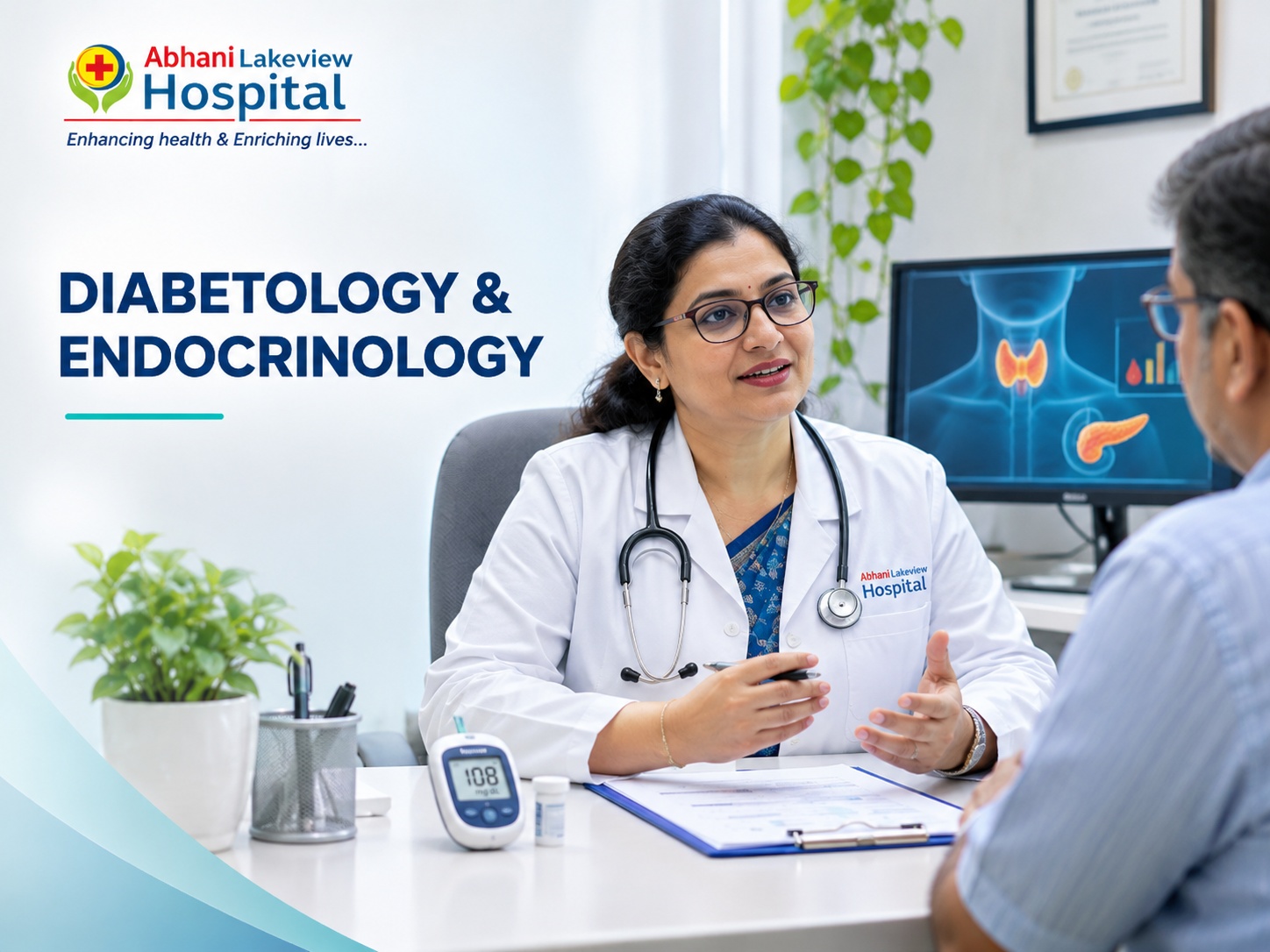
Feeling tired even after sleeping well? Gaining weight despite eating normally? Experiencing unusual thirst or frequent urination?
Sometimes, these changes are caused by everyday factors such as stress, irregular sleep and lifestyle habits. But in certain situations, they may indicate an underlying hormonal or metabolic condition.
Two commonly encountered health concerns are diabetes and thyroid disorders.
Both conditions can affect energy levels, body weight, metabolism and long-term health. Their symptoms can develop gradually, making them easy to overlook.
The good news is that early diagnosis, appropriate treatment and regular monitoring can help many people manage these conditions effectively.
Understanding the role of diabetology and endocrinology is an important step towards protecting your health.
What Is the Difference Between a Diabetologist and an Endocrinologist?
A diabetologist focuses on the diagnosis, treatment and long-term management of diabetes.
An endocrinologist focuses on disorders involving hormones and the glands that produce them, including the thyroid, adrenal glands, pituitary gland and pancreas.
Because diabetes is a metabolic and hormonal condition, the two specialties are closely connected.
Depending on their training and clinical practice, doctors working in these fields may manage diabetes, thyroid disorders, metabolic conditions and other hormone-related concerns.
1. Understanding Diabetes: More Than Just High Blood Sugar
Diabetes is a chronic health condition in which the body cannot produce enough insulin, cannot use insulin effectively, or both.
Insulin is a hormone that helps glucose move from the bloodstream into the body's cells, where it can be used for energy.
When this process is disrupted, glucose builds up in the blood.
Over time, persistently elevated blood glucose can affect the eyes, kidneys, nerves, heart and blood vessels.
Common types of diabetes include:
Type 1 diabetes: An autoimmune condition in which the body's immune system damages insulin-producing cells. People with type 1 diabetes require insulin treatment.
Type 2 diabetes: A condition involving insulin resistance and, over time, inadequate insulin production. Management may include nutrition changes, physical activity, medication and sometimes insulin.
Gestational diabetes: Diabetes diagnosed during pregnancy that requires monitoring to protect maternal and fetal health.
2. Early Symptoms of Diabetes You Should Not Ignore
Many people associate diabetes only with excessive sugar consumption. In reality, diabetes develops through a combination of biological, genetic and lifestyle-related factors, depending on the type.
Common symptoms include:
- Frequent urination
- Increased thirst
- Unusual hunger
- Unexplained weight loss
- Persistent tiredness
- Blurred vision
- Slow-healing wounds
- Recurrent infections
Some people with type 2 diabetes experience few noticeable symptoms, particularly during the early stages.
That is why screening is important for individuals with risk factors such as family history, excess weight, high blood pressure or previous gestational diabetes.
3. How Is Diabetes Diagnosed?
Doctors use blood tests to identify elevated glucose levels and assess whether a person has normal blood glucose, prediabetes or diabetes.
Common investigations include fasting plasma glucose, HbA1c and oral glucose tolerance testing.
The HbA1c test provides an estimate of average blood glucose levels over approximately the previous three months.
For many non-pregnant adults, an HbA1c of 6.5% or higher falls within the diagnostic range for diabetes. A diagnosis usually requires confirmation unless there is clear clinical evidence of hyperglycaemia.
Interpretation may differ in pregnancy and certain medical conditions.
NIDDK+1
4. Why Diabetes Management Requires More Than Medication
Managing diabetes is not simply about taking tablets or avoiding sweets.
An effective treatment plan considers the individual's overall health, daily routine, nutritional needs, physical activity, medications and risk of complications.
Important aspects include:
Balanced nutrition: Choosing appropriate portions and combining carbohydrates with protein, fibre and healthy fats can support glucose management.
Physical activity: Regular exercise can improve insulin sensitivity and support cardiovascular health.
Medication adherence: Diabetes medicines should be taken according to medical advice, without changing doses independently.
Regular monitoring: Blood glucose and HbA1c testing help evaluate how well the treatment plan is working.
Preventive screening: Periodic kidney, eye, foot and cardiovascular assessments can help identify complications before they become advanced.
A person whose blood sugar improves should not discontinue prescribed medication without consulting their doctor.
5. Thyroid Disorders: Why One Small Gland Can Affect the Entire Body
The thyroid is a butterfly-shaped gland located at the front of the neck.
It produces hormones that influence energy use, body temperature, heart rate and metabolism.
When the thyroid produces too little or too much hormone, various physical and emotional symptoms can occur.
Two common thyroid conditions are hypothyroidism and hyperthyroidism.
Hypothyroidism: When the Thyroid Becomes Underactive
Hypothyroidism occurs when the thyroid does not produce enough thyroid hormones.
Possible symptoms include fatigue, weight gain, constipation, dry skin, feeling unusually cold, menstrual changes and difficulty concentrating.
These symptoms can resemble other health conditions, so laboratory testing is necessary rather than relying on symptoms alone.
Treatment commonly involves thyroid hormone replacement, with dosage adjusted according to medical assessment and follow-up blood tests.
Hyperthyroidism: When the Thyroid Becomes Overactive
Hyperthyroidism occurs when the thyroid produces excessive thyroid hormones.
Possible symptoms include unexplained weight loss, a rapid heartbeat, increased sweating, heat intolerance, tremors, anxiety and disturbed sleep.
If left untreated, hyperthyroidism may increase the risk of heart rhythm problems, bone loss and other complications.
Treatment varies according to the cause and may involve medication, radioactive iodine or surgery in selected cases.
NIDDK+1
6. Can Thyroid Disorders Affect Diabetes Management?
Yes. Thyroid hormones influence metabolism and can affect how the body regulates glucose.
When a person has both diabetes and thyroid dysfunction, changes in thyroid hormone levels may influence blood sugar control and medication requirements.
For example, an overactive thyroid may make glucose management more difficult for some people.
Coordinated medical care is particularly important when multiple endocrine conditions occur together.
Patients should discuss persistent fatigue, unexpected weight changes or unstable blood glucose readings with their treating doctor.
7. Who Should Consider an Endocrinology Consultation?
A medical consultation may be useful for people experiencing unexplained weight changes, persistent fatigue, abnormal thyroid blood tests, difficult-to-control diabetes or symptoms suggesting hormonal imbalance.
People with established diabetes should also attend recommended follow-up appointments, even when they feel well.
Early assessment allows clinicians to identify underlying conditions and adjust treatment when needed.
Diabetes and Thyroid Care at Abhani Lakeview Hospital
Abhani Lakeview Hospital, Nagarbhavi, provides internal medicine, diabetes and thyroid-related consultations.
The hospital also lists Dr. Anantha Padmanabha, an internal medicine specialist, diabetologist and endocrinologist with more than 18 years of experience, whose areas of practice include diabetes, thyroid disorders and hormonal conditions.
abhanihospitals.com+1
Treatment decisions should consider more than a single blood test. They should reflect the patient's medical history, symptoms, lifestyle and individual health goals.
Book a diabetes or thyroid consultation at Abhani Lakeview Hospital, Nagarbhavi, Bangalore.
Frequently Asked Questions
Q1. Can diabetes be completely cured?
Type 1 diabetes currently has no established cure. Some people with type 2 diabetes can achieve remission, but ongoing monitoring remains important.
Q2. Is thyroid disease always lifelong?
Not necessarily. Some thyroid disorders are temporary, while others require long-term medication or monitoring.
Q3. Can someone have thyroid disease without weight changes?
Yes. Not everyone experiences weight loss or weight gain, and symptoms vary between individuals.
Q4. How often should HbA1c be checked?
Testing frequency depends on diabetes stability, treatment changes and the doctor's recommendation.
Q5. Can diabetes affect kidney health?
Yes. Diabetes is an important risk factor for chronic kidney disease, making kidney screening a key part of diabetes care.
Abhani Lakeview Hospital
Muddinapalya Main Road, Herohalli, Annapurneshwari Nagar, Bengaluru – 560091.
08048034781
Keywords