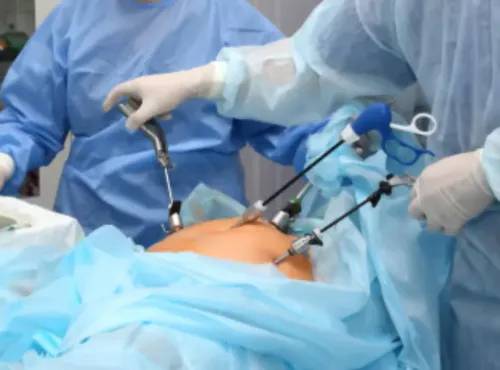
A neuro surgeon consultation is not an automatic recommendation for an operation. You will first discuss your symptoms, undergo a neurological examination, review your scans and compare surgery with observation, medication, rehabilitation or other treatment options; sudden neurological symptoms require emergency assessment instead of a routine appointment.
Key takeaways
- Seek emergency care for sudden weakness, speech loss, seizures, or loss of consciousness.
- Bring scan images, reports, medication lists, and a clear symptom timeline.
- Ask what surgery aims to fix, its risks, alternatives, and expected recovery.
- A useful consultation ends with a diagnosis, next steps, and warning signs.
What a Neurosurgeon Does—and When You Need Emergency Care
Book a neuro surgeon consultation for persistent nerve pain, weakness, seizures under evaluation or a known structural problem such as a brain, spine or nerve lesion. A neurosurgeon treats conditions requiring possible surgery; these specialists differ from other clinicians:
| Specialist | Main role | Surgical role |
|---|---|---|
| Neurosurgeon | Brain, spinal cord and peripheral nerve disorders | Performs or advises on neurosurgery |
| Neurologist | Diagnoses and treats neurological disease | Does not perform surgery |
| Orthopaedic spine surgeon | Bone, joint and mechanical spine problems | Operates on the spine and supporting structures |
| General surgeon | Abdominal, soft-tissue and other common surgical conditions | Performs non-neurological surgery |
| Emergency physician | Rapid assessment, stabilisation and triage | Arranges urgent specialist treatment |
Call emergency services or go to emergency care immediately for:
- Sudden facial drooping, one-sided weakness or numbness
- New speech or vision difficulty
- Loss of consciousness or a first seizure
- Rapidly worsening weakness
- A thunderclap headache, especially with vomiting, neck stiffness or collapse
- Severe head injury
- New bladder or bowel dysfunction with limb weakness
Do not arrange a routine appointment for these signs. Stroke treatment depends on rapid imaging to distinguish bleeding from blocked blood flow, while brain bleeding, spinal cord compression and serious head injury can cause permanent damage without prompt treatment.
What Happens During the Neurosurgeon Consultation Process
Bring your imaging files, reports, discharge summaries, medication doses, laboratory results, allergy details and a dated symptom timeline. That preparation makes the neuro surgeon consultation more precise.
1. The neurosurgeon asks when each symptom began, what happened first, how it progressed, and whether it affects sleep, work, movement or daily activities.
2. You will discuss previous head, spine or nerve injuries, operations, medical conditions, current medicines and drug allergies. Include medicines you stopped recently.
3. The neurological examination may assess mental status, speech, facial movement, strength, sensation, reflexes, coordination, balance and walking. These findings help determine whether a scan matches your symptoms.
4. The surgeon reviews the actual MRI or CT images, not only the written report. MRI can show soft tissue, the spinal cord, discs, nerve compression, a mass or pressure; CT can show bleeding, fractures and bone detail. Angiography shows blood-vessel narrowing, blockage, aneurysms or other vessel changes.
Spine imaging shows structural changes, but an abnormal scan cannot prove that surgery will help: disc and joint changes can exist without symptoms.
The consultation ends with an explanation of the likely diagnosis and which findings support it. Ask what remains uncertain, whether further tests are needed, and how your examination and symptoms relate to the images.
How the Surgeon Decides Whether Surgery Is Appropriate
A surgical recommendation does not mean an operation is unavoidable. The decision rests on the diagnosis, symptom pattern, neurological examination, scan correlation, progression, functional impairment and response to non-surgical treatment. An abnormal spine MRI alone does not prove surgery will help; disc and joint changes can exist without symptoms.
Reasonable alternatives include:
- Observation with repeat imaging when symptoms and examination are stable.
- Medication, physiotherapy or structured pain management.
- An injection-based procedure for selected pain conditions.
- Neurology care, referral to another specialty or a second opinion.
Ask these questions before deciding:
- What diagnosis is being treated, and how do my symptoms, examination and scan support it?
- Is treatment time-sensitive? What happens if I defer it?
- What is the aim of surgery, and what alternatives include no operation?
- Which risks apply to this procedure, including bleeding, infection, neurological deficit, seizures, cerebrospinal-fluid leakage or anaesthetic complications?
- How likely is symptom relief, and could symptoms persist or require further treatment?
“Minimally invasive” describes the access route or incision size; it does not guarantee lower risk or faster recovery. The safer choice depends on the lesion, anatomy, urgency and treatment goal. For elective surgery, consent includes time to review written information, discuss recovery and ask for a second opinion.
What “Super Speciality Hospital” Means in Practical Terms
The word “super speciality” matters only if the hospital can connect diagnosis, surgery and recovery. For a search such as “super speciality hospital neuro for surgeon”, compare the actual service with these alternatives:
| Setting | Practical capability | Best fit |
|---|---|---|
| Outpatient clinic | Consultation and planned tests | Stable symptoms and follow-up |
| Single-specialty centre | Focused neurological or surgical care | Selected planned problems |
| Emergency department | Immediate triage, imaging and stabilisation | Stroke signs, head injury or sudden deterioration |
| Super speciality hospital | Linked emergency, imaging, surgery, ICU and rehabilitation | Complex or time-sensitive neurological care |
Verify these capabilities before relying on the label:
- 24-hour emergency reception and CT access
- MRI coordination, including urgent scheduling
- Operating-room readiness
- Neurosurgical and anaesthesia cover
- ICU beds and ventilator support
- Blood-bank arrangements
- Rehabilitation services
- A documented transfer pathway if higher-level care is needed
The neurosurgeon leads surgical assessment. The neurologist manages non-surgical diagnosis and treatment; the radiologist interprets scans; the anaesthesiologist manages anaesthesia and perioperative risk; and the intensivist handles critical illness. Nurses and rehabilitation specialists monitor patients and support recovery.
For a neuro surgery hospital Nagarabhavi, ABHANI LAKEVIEW HOSPITAL can be considered if its connected emergency, critical care, anaesthesia, neurology and specialist support match the patient’s needs. Confirm current availability before depending on any service.
Related service
NEURO SURGERY Abhani Hospitals is a trusted destination for advanced Neuro Surgery treatment in Nagarbhavi, Bangalore, offering expert care for a wide range of... View service → |
What to Expect If Surgery Is Recommended
Once surgery is recommended, the next step is preparation—not an automatic admission. The team confirms the diagnosis, operation’s purpose, expected benefit, anaesthesia plan, material risks, alternatives and what could happen if treatment is deferred.
1. A pre-anaesthesia assessment reviews your heart and lung health, allergies, previous anaesthetic problems and current medicines. Tests may include a complete blood count, kidney function, electrolytes, blood glucose, coagulation tests, blood group and cross-match, plus an ECG or other tests when indicated.
2. Follow the hospital’s fasting instruction exactly, including the time to stop food, milk and clear fluids. Do not stop warfarin, apixaban, rivaroxaban, aspirin or another anticoagulant or antiplatelet medicine unless the treating doctor gives a specific plan.
3. Consent should cover procedure-specific risks, including bleeding, infection, clots, seizures, new neurological deficit, cerebrospinal-fluid leakage, anaesthetic complications, persistent symptoms and further treatment. Ask for written information or time for a second opinion if you need it.
4. Admission includes identity checks, site marking when applicable, intravenous access and preparation for possible ICU monitoring.
5. After surgery, expect neurological checks, pain control, wound observation, physiotherapy and assisted mobilisation. Discharge planning covers medicines, warning signs, follow-up, transport and a caregiver at home. A generic success rate is not your personal forecast; risk and recovery depend on the operation and your condition.
How to Prepare, Plan Recovery and Judge a Useful Consultation
Plan extra travel time, retrieve the actual MRI or CT files and reports, and ask whether repeat imaging is needed. Confirm the appointment length, possible admission, caregiver availability, rehabilitation needs and follow-up visits before booking work or transport. Recovery depends on the operation and your condition, not a fixed promise.
Before leaving, ask:
- When can I return to work, drive, exercise or lift?
- How do I clean and protect the wound?
- Which medicines continue, stop or change?
- Which warning signs require immediate contact?
- Who handles problems after discharge, and when is follow-up?
- Will I need physiotherapy, occupational therapy or other rehabilitation?
A useful consultation should produce clear answers in plain language:
| Consultation element | What you should receive | Why it matters |
|---|---|---|
| Diagnosis | A plain-language explanation | You can check whether symptoms, examination and imaging fit |
| Decision | Alternatives, including no operation | You can weigh treatment against delay |
| Timing | A stated deadline or reason to monitor | You know whether waiting is unsafe |
| Plan | Written instructions and contact details | You know what to do after the visit |
Seek urgent help for deterioration rather than waiting for a scheduled review. Ask for written information and time for a second opinion when the decision is not an emergency.
Frequently asked questions
When should you see a neurosurgeon, and when is care an emergency?
Book a consultation for persistent nerve pain, weakness, seizures under evaluation, or a known brain, spine, or nerve lesion. Seek emergency care for sudden weakness, speech loss, loss of consciousness, or an ongoing seizure.
What happens during the neurosurgeon consultation process?
The surgeon reviews your symptoms, medical history, previous treatment, scans, and medications, then performs a neurological examination and explains the likely diagnosis and next steps.
How does a neurosurgeon decide whether surgery is appropriate?
The decision depends on the diagnosis, symptoms, examination findings, scan results, progression, treatment alternatives, surgical risks, and the expected benefit.
What should you expect if surgery is recommended?
You should receive an explanation of the procedure, its purpose, risks, alternatives, preparation, hospital stay, recovery plan, follow-up, and warning signs that need urgent attention.
Keywords