
A child with seizures, head injury, abnormal development or signs of pressure in the brain may need more than one specialist, and delays or conflicting advice can complicate decisions. You will learn how coordinated neuro surgery works, when symptoms need emergency care, and how to compare hospitals and referral options in Nagarbhavi.
Key takeaways
- Ask whether neurology, surgery, anaesthesia and intensive care review the same records.
- Seek urgent assessment for sudden weakness, repeated seizures, loss of consciousness or severe headache.
- Compare paediatric experience, emergency access, imaging and postoperative rehabilitation before choosing a hospital.
- Ask who manages seizure medicines, warning signs and follow-up after discharge.
What coordinated neuro surgery changes for a child
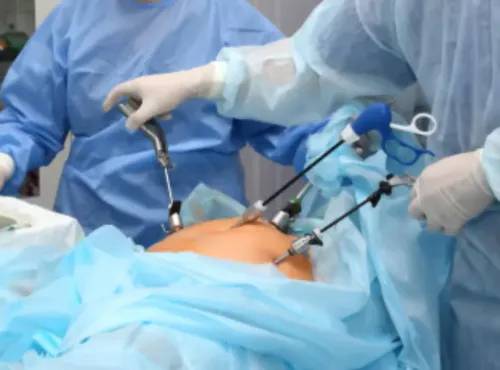
A coordinated neuro surgery plan begins before the operation: the pediatrician, neurologist, neuro surgeon, radiologist, anesthesiologist and intensive-care team review the same symptoms, scans, medicines and developmental history. This prevents a surgical decision from being separated from seizure control, airway risks, mobility, learning or family concerns.
- The pediatrician checks general health, growth, nutrition, infection risk and development.
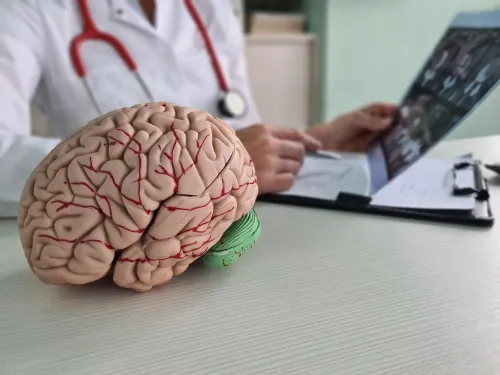
- The neurologist interprets seizures, weakness, movement changes or developmental regression and recommends medical treatment or further testing.
- The neuro surgeon decides whether an operation or procedure is appropriate for the brain, spine, cerebrospinal-fluid pathways or nerves.
- The radiologist links MRI or CT findings to the child’s symptoms, while the anesthesiologist plans age- and weight-specific airway, fluid, temperature and pain management.
- Intensive-care nurses and doctors prepare monitoring after surgery; rehabilitation professionals plan physiotherapy, speech therapy, occupational therapy or developmental support.
This teamwork matters when conditions such as hydrocephalus, spina bifida, tumours, craniosynostosis, drug-resistant epilepsy or spinal cord compression require decisions across specialties. A child specialist hospital should also show who provides overnight cover, pediatric intensive care, urgent imaging and emergency transfer if those services are not on site.
After neuro surgery, the team watches for seizures, altered alertness, weakness, breathing problems, infection and changes in fluid pressure. A shared discharge plan names medicines, wound care, warning signs, rehabilitation goals and review dates, so recovery does not end when the child leaves the hospital.
When a neurologist, neuro surgeon or both should assess your child
A neurologist should assess a child with seizures, recurrent headaches, weakness, unusual movements, developmental regression or suspected neuromuscular disease. A neuro surgeon should also assess the child when scans or examination suggest a structural problem, pressure on the brain or spinal cord, or an injury needing a procedure.
Conditions that can require a surgical opinion include:
- Hydrocephalus or blocked cerebrospinal-fluid pathways
- Spina bifida and related spinal abnormalities
- Brain or spinal tumours
- Craniosynostosis, when skull sutures close too early
- Spinal cord compression
- Serious head or spine injuries
- Drug-resistant epilepsy after appropriate medical treatment and specialist evaluation
Surgery is not the default response to a seizure. A neurologist reviews the seizure history, neurological examination, development, EEG and suitable MRI or CT findings, then guides medicines and other non-operative treatments. If seizures continue despite treatment, an epilepsy team may assess whether surgery could help.
| Specialist | Primary role | When your child may need assessment |
|---|---|---|
| Neurologist | Diagnoses and treats brain, nerve, muscle and developmental disorders without surgery | Seizures, headaches, weakness, movement changes or developmental concerns |
| Neuro surgeon | Decides whether an operation or procedure could treat a brain, spine, fluid-pathway or nerve problem | Abnormal imaging, compression, hydrocephalus, tumour, injury or selected drug-resistant epilepsy |
| Both together | Combines medical control with surgical planning and follow-up | Complex cases, uncertain diagnosis, or treatment requiring rehabilitation and developmental monitoring |
From the first symptom to an urgent or planned treatment decision
After referral, a child receives a neurological examination, developmental history and review of the symptom pattern before anyone recommends neuro surgery.
A neurologist may request an EEG for suspected epilepsy, MRI for detailed brain or spine assessment, CT when bleeding, swelling or a time-critical injury must be seen quickly, and blood tests when infection, metabolic disease or another treatable cause is possible. Imaging is not automatic for every headache or seizure.
The team then matches findings to treatment:
- A first seizure may lead to observation, medication and further testing rather than surgery.
- Drug-resistant epilepsy needs specialist epilepsy review, including a neurologist, neuropsychologist, neuroradiologist and epilepsy neuro surgeon.
- Hydrocephalus may require observation, treatment of its cause, endoscopic third ventriculostomy or a cerebrospinal-fluid shunt.
- A planned operation requires discussion of alternatives, anaesthesia, major risks, expected benefit, hospital stay, rehabilitation and follow-up.
| Symptom or finding | Usual next review | Decision urgency |
|---|---|---|
| Sudden weakness, unequal pupils, loss of consciousness or a seizure lasting over five minutes | Emergency examination and urgent CT or MRI when indicated | Immediate emergency assessment |
| Repeated vomiting, worsening headache, unusual sleepiness or breathing changes after head injury | Emergency clinician and neuro surgeon review | Do not wait for a clinic appointment |
| Slowly enlarging head, developmental regression or persistent morning vomiting | Neurologist, developmental assessment and MRI | Prompt planned specialist review |
| A shunt with fever, redness, severe headache, vomiting or new drowsiness | Emergency shunt assessment for blockage or infection | Immediate hospital assessment |
After treatment, repeat neurological or imaging reviews and therapies such as physiotherapy, speech therapy or school support track recovery.
How to compare hospitals for paediatric neuro surgery in Nagarbhavi
A general hospital is not automatically unsuitable, and a super speciality hospital is not automatically better. Compare the complete paediatric pathway, not the building’s label or a search result such as “child specialist hospital neuro surgery for nagarbhavi.”
| Option | Verify before choosing | What a gap means |
|---|---|---|
| General hospital | Named neuro surgeon, paediatric assessment, urgent MRI or CT, blood-bank access, paediatric anaesthesia, ICU cover and a documented transfer hospital | Emergency surgery may be possible, but a child could require transfer for intensive care or specialist monitoring |
| Child specialist hospital | Age- and weight-based dosing, airway and fluid management, temperature control, paediatric anaesthetist, paediatric ICU, overnight cover and postoperative neurosurgical observation | Advertising adult neurosurgery alone does not prove safe paediatric care |
| Super speciality hospital | Condition-specific paediatric experience, named paediatric neuro surgeon where available, epilepsy or tumour team access, infection controls, rehabilitation and complication or reoperation data | “Super speciality hospital” describes a service model, not proven paediatric quality |
Ask who is physically available overnight, who will operate, where your child goes if ventilation or specialist intensive care is needed, and how fast that transfer occurs. Confirm whether MRI, operating-room access, blood products and postoperative reviews are on site or covered by a written arrangement.
When comparing ABHANI LAKEVIEW HOSPITAL with other Nagarbhavi hospitals, request the named team, escalation plan and discharge follow-up schedule in writing. A child specialist hospital earns trust through verifiable arrangements, not the word “specialist” on its sign.
Related services
NEURO SURGERY Abhani Hospitals is a trusted destination for advanced Neuro Surgery treatment in Nagarbhavi, Bangalore, offering expert care for a wide range of... View service → |
SURGERY NEUROLOGY Abhani Hospitals is a trusted destination for comprehensive Neurology care in Nagarbhavi, Bangalore, offering expert diagnosis, advanced treatment,... |
The questions that protect recovery after the operation
Before signing consent, ask the neuro surgeon to name the operation, its goal, alternatives, expected hospital stay and the specific risks for your child—not just “complications.” Confirm who will operate, who provides overnight neurosurgical cover, and what happens if the planned procedure cannot be completed.
- Which warning signs after discharge require immediate emergency care, such as repeated vomiting, a seizure, increasing sleepiness, fever, wound leakage or a new weakness?
- Is paediatric anaesthesia, a paediatric intensive care unit, urgent imaging, blood-bank support and postoperative neurosurgical monitoring available in this child specialist hospital?
- What pain, seizure, fluid, feeding and wound-care instructions will we follow at home, and who do we call at night?
- Which rehabilitation professionals will assess the child: physiotherapy, occupational therapy, speech and language therapy, neuropsychology, vision services or school-support staff?
- When are the first wound, neurological and imaging reviews, and who coordinates them if symptoms change?
Ask for the discharge summary, scan reports, medication doses and contact numbers in writing. Clarify whether follow-up stays with the operating team, a paediatrician, neurologist or rehabilitation service.
If the hospital lacks a dedicated paediatric neurosurgical team, paediatric ICU or continuous neurosurgical cover, ask for referral to a dedicated paediatric neurosurgical centre before surgery. Confirm the receiving doctor, transport plan, records sent, and whether transfer occurs before deterioration makes treatment riskier.
Frequently asked questions
What does coordinated neuro surgery change for a child?
It connects the pediatrician, neurologist, neuro surgeon, radiologist, anesthesiologist and intensive-care team before treatment. The team reviews symptoms, scans, medicines, development and family concerns together.
When should a neurologist or neuro surgeon assess my child?
A neurologist assesses seizures, weakness, movement changes, headaches, developmental concerns and other nervous-system symptoms. A neuro surgeon should assess a structural problem, pressure on the brain or spine, a scan abnormality, or a condition that may need an operation. Some children need both specialists.
When does a child need urgent neuro surgery assessment?
Seek urgent assessment for sudden weakness, repeated or prolonged seizures, loss of consciousness, severe worsening headache with vomiting, a new unequal pupil, or a serious head injury.
How do I compare hospitals for paediatric neuro surgery in Nagarbhavi?
Ask about paediatric neuro surgery experience, access to MRI and CT, paediatric anaesthesia, intensive care, emergency services, rehabilitation and named follow-up clinicians. Confirm how the hospital coordinates these services.
What should I ask after my child’s neuro surgery?
Ask which medicines to give and for how long, how to care for the wound, which activities to avoid, which symptoms require immediate help, when follow-up occurs and whether your child needs physiotherapy, occupational therapy or developmental review.
Keywords