Frequent urination, a weak stream, leakage, or repeated infections can come from high blood glucose, bladder-nerve damage, prostate disease, stones, infection, or urinary obstruction. By separating these patterns, you can choose the right first appointment, know when both specialists need to coordinate, and recognise symptoms that require urgent care.
Key takeaways
- Choose a urologist for flow changes, blood, stones, infections, or prostate symptoms.
- Diabetes-related urination usually comes with increased thirst and larger urine volumes.
- Bring medication lists, glucose records, prior reports, and a symptom timeline.
- Seek urgent care for inability to urinate, heavy blood, fever with flank pain, or severe pain.
Which doctor matches your urinary symptom?
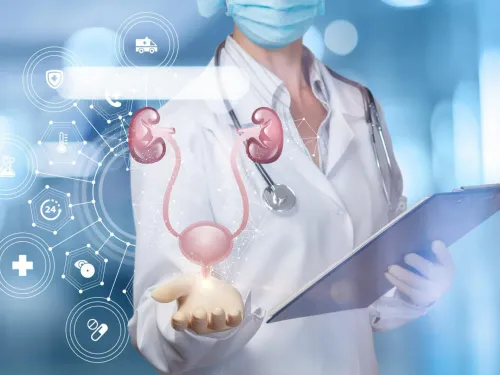
A urologist is the direct specialist for the urinary tract and male reproductive system. Start with a urologist for weak or intermittent flow, straining, incomplete emptying, urgency with small urine volumes, leakage, painful urination, recurrent infections, blood in the urine, kidney stones, flank pain, suspected obstruction, or prostate symptoms.
| Doctor | Best first choice when | What the doctor evaluates |
|---|---|---|
| Urologist | Flow problems, stones, blood, infections, retention, prostate or sexual symptoms | Bladder, kidneys, ureters, urethra, prostate and sexual function; treatment may include medicines, procedures or surgery |
| Diabetologist | Excessive thirst, large urine volumes, high glucose, unexplained weight loss, persistently high HbA1c or medication-related urinary changes | Glucose control, diabetes complications, neuropathy and kidney risk |
| Both | Urinary symptoms occur with poor glucose control or known diabetes complications | Coordinated treatment rather than treating one possible cause alone |
For a man searching for a prostate specialist near me, a urologist is usually the appropriate specialist. Poor flow is not proof of an enlarged prostate: infection, urethral narrowing, bladder dysfunction, medication effects and prostate cancer can produce similar symptoms.
Diabetes can damage bladder nerves and muscles, causing difficulty starting, retention, leakage from an overfilled bladder or repeated infections. Choose a urologist in Nagarabhavi for a structural or flow problem, and a diabetologist in Nagarabhavi for glucose control or diabetes complications. When both patterns appear, book coordinated care.
How can you tell diabetes-related urination from a separate urological condition?
Frequency and volume are different clues. High glucose can pull water into urine, causing polyuria: you pass large amounts and feel unusually thirsty. Urgency with frequent small amounts points more toward infection, overactive bladder, irritation, obstruction, or diabetic bladder dysfunction.
To compare urinary care doctors, match the dominant pattern:
| Urologist | Diabetologist |
|---|---|
| Weak stream, hesitancy, dribbling, straining, incomplete emptying, stones, blood in urine, or suspected obstruction | Excessive thirst, large urine volumes, high glucose, medication adjustment, or poor HbA1c control |
| Prostate, bladder, kidney, urethral, and urinary-tract evaluation | Glucose control, diabetic nerve-related bladder problems, fluid balance, and diabetes-related kidney disease |
| Recurrent or complicated infections, retention, procedures, or structural problems | Polyuria linked to hyperglycaemia or diabetes complications |
Burning urination, fever, cloudy or foul-smelling urine, pelvic discomfort, or flank pain needs assessment for infection, stones, or another kidney problem. Repeated infections should not lead to repeated antibiotics without urine testing and culture when clinically appropriate; incomplete emptying, poor glucose control, resistant organisms, stones, and blockage can keep causing recurrence.
Diabetes-related kidney damage may produce no urinary symptoms. A urine albumin-to-creatinine ratio, serum creatinine, and estimated glomerular filtration rate help detect it.
An enlarged prostate does not automatically require surgery. Monitoring, bladder-habit changes, and medicines may be enough; procedures matter when symptoms persist, medicines fail or cannot be used, or retention, recurrent infection, bladder stones, or kidney damage develops. When patterns overlap, involve both doctors rather than relying on self-diagnosis.
What should you take to the first appointment, and which tests may follow?
Take a two- or three-day symptom diary to the first appointment: record how long symptoms have lasted and count daytime and night-time toilet trips. Note urgency, leakage, approximate urine volume, burning, pain, fever, stream changes, straining, and whether you feel fully emptied.
Bring:
- Glucose readings and the date and result of your latest HbA1c
- Every prescription and non-prescription medicine
- Previous urine reports and urine cultures
- Serum creatinine or eGFR results
- Kidney or bladder scans
- Your prostate history, including previous examinations or treatments
Tests usually follow a specific clinical question:
| Test | What it checks | When it may follow |
|---|---|---|
| Urinalysis | Blood, glucose, protein, and infection markers | Initial urinary assessment |
| Urine culture | The organism causing infection | When infection needs confirmation |
| Glucose and HbA1c | Current and longer-term glucose control | Diabetes symptoms or known diabetes |
| Creatinine, eGFR, and urine albumin-to-creatinine ratio | Kidney filtration and diabetic kidney injury | Diabetes, kidney concerns, or abnormal urine |
| Kidney-and-bladder ultrasound | Stones, swelling, or bladder changes | Suspected structural disease |
| Post-void residual | Urine left after passing urine | Weak stream, retention, or incomplete emptying |
| Uroflowmetry | Urine-flow rate and pattern | Suspected obstruction or bladder dysfunction |
A urologist may add cystoscopy or other imaging when findings justify it. PSA is not automatic for every person with frequency or prostate symptoms; interpret it with age, examination, family history, infection, prostatitis, recent procedures, and preferences. A raised PSA alone does not diagnose cancer.
Tests should answer a specific question, not become a routine bundle.
When should you skip a routine appointment and seek urgent care?
Do not wait for a routine appointment if you cannot pass urine. Acute urinary retention, especially with severe lower-abdominal pain or a visibly full bladder, needs prompt bladder drainage while clinicians investigate the cause; delaying care can damage the urinary tract.
Seek urgent medical assessment for:
- Fever or chills with flank pain, painful urination, or marked weakness, which can signal a serious kidney infection or sepsis.
- Confusion, faintness, rapid deterioration, or difficulty staying awake.
- Heavy visible blood in the urine or blood clots, particularly if clots obstruct urine flow.
- Severe one-sided flank pain with vomiting, falling urine output, or fever. A kidney stone or obstruction can cause this and should not be managed at home when pain is intense.
Use emergency care rather than waiting for a urologist in Nagarabhavi or diabetologist in Nagarabhavi appointment when these signs appear. Visible blood is not automatically caused by diabetes, prostate enlargement, or a simple infection; stones, kidney disease, cancer, and other urinary-tract conditions can cause hematuria.
Tell emergency staff that you have diabetes and provide your insulin or other glucose-lowering medicines, anticoagulants, fever history, recent urine output, and the last time you passed urine. Carry medicine details and recent reports if immediately available, but do not delay treatment while collecting paperwork.
How should you compare ongoing urinary care options in Nagarabhavi?
Start with the problem that dominates your symptoms, then confirm that the service can involve the other specialty when findings overlap.
| Option | Verify this lead doctor | Best fit |
|---|---|---|
| Urologist | Specialty registration and experience with obstruction, stones, hematuria, recurrent or complicated infection, retention, prostate assessment, or procedures | A structural, flow, bladder, kidney, or prostate problem |
| Diabetologist | Diabetes-management experience, including medication adjustment and complications | Uncontrolled glucose, hyperglycemia-related polyuria, neuropathy, or kidney disease |
A search for urologist diabetologist Nagarabhavi, urologist in Nagarabhavi, or diabetologist in Nagarabhavi identifies locations, not clinical suitability. Someone searching for a prostate specialist near me should verify the urologist’s experience rather than assume every poor stream comes from an enlarged prostate.
Ask whether the pathway provides urinalysis and culture, blood glucose and HbA1c, serum creatinine and eGFR, urine albumin-to-creatinine ratio, ultrasound, and post-void residual measurement. Also ask:
- How quickly are abnormal results reviewed?
- Where are urgent retention and suspected sepsis treated?
- How do referrals move between urology and diabetes care?
Abhani Lakeview Hospital is one local option to evaluate for connected urology, diabetes, emergency, and diagnostic access; confirm the clinician, tests, follow-up process, and emergency pathway before booking. Ongoing care works best when one doctor tracks symptoms and results while the other addresses the contributing condition. Bring your symptom diary and reports to every visit.
Frequently asked questions
Which doctor should you see for ongoing urinary symptoms in Nagarabhavi?
See a urologist for weak or intermittent flow, straining, incomplete emptying, urgency, leakage, painful urination, recurrent infections, blood in the urine, kidney stones, flank pain, obstruction, or prostate symptoms. See a diabetologist when frequent urination occurs with high glucose readings, increased thirst, or an existing diabetes-management problem.
How can you distinguish diabetes-related urination from a urological condition?
Diabetes-related urination usually involves larger urine volumes, increased thirst, fatigue, or high blood glucose. Small frequent voids, burning, weak flow, hesitancy, blood, flank pain, or incomplete emptying point toward a urological cause and need assessment.
What should you take to a urinary-care appointment?
Take your medication and supplement list, diabetes records, recent blood and urine reports, imaging scans, surgery history, and a two- or three-day symptom record showing timing, urine volume, urgency, pain, leakage, and nighttime urination.
When should urinary symptoms receive urgent care?
Seek urgent care if you cannot urinate, pass heavy or persistent blood clots, have fever with flank pain or vomiting, develop sudden severe testicular or flank pain, or feel confused, faint, or severely unwell.
How should you compare urinary-care options in Nagarabhavi?
Compare specialist access, urine and blood testing, ultrasound or other imaging pathways, emergency support, follow-up scheduling, coordination between urology and diabetes care, and whether clinicians explain results and next steps clearly.
Keywords