A fall on a wet road, moss-covered step, or pothole can injure a bone, joint, head, chest, abdomen, or skin at the same time. You will learn how to give safe first aid, recognise emergency signs, choose between orthopaedic and general-surgical care, and prepare for treatment or surgery after a fall.
Key takeaways
- Immobilise a painful limb and avoid walking on a suspected fracture.
- Seek emergency care for head injury, spinal pain, deformity, or loss of consciousness.
- Choose an orthopaedic doctor for bone and joint injuries; involve a general surgeon when wounds need surgery.
- Before discharge, confirm medicines, warning signs, weight-bearing limits, and follow-up timing.
How monsoon surfaces change the injury you may have
Wet roads and moss commonly cause a sideways slip, producing wrist fractures, shoulder dislocations, ankle sprains, ligament tears, and bruising. A pothole can twist the knee or ankle while your foot stays planted; slippery stairs add direct impact to the head, spine, hip, or tailbone.
Poor visibility increases collisions with edges, steps, and vehicles, causing cuts, puncture wounds, and deeper soft-tissue damage.
The landing pattern gives the orthopaedic doctor a starting point, not a diagnosis. Tell them whether your head struck the ground, which limb took your weight, whether the joint twisted, and whether pain began immediately or after you stood up.
| Mechanism | Injuries it raises concern for | What it tells you |
|---|---|---|
| Sideways slip on a wet road | Wrist fracture, shoulder dislocation, ankle sprain, ligament injury | An outstretched hand or rotated joint may have absorbed the force |
| Foot caught in a pothole | Ankle fracture, knee ligament tear, tendon injury | A fixed foot with a turning body creates twisting damage |
| Fall down slippery stairs | Head injury, spinal injury, hip fracture, deep wounds | Several impacts can affect more than one body region |
| Impact on a sharp edge | Laceration, puncture, muscle or tendon injury | A small skin opening can hide deeper contamination or damage |
Seek emergency care after loss of consciousness, repeated vomiting, confusion, seizure, severe headache, neck or back pain, limb deformity, numbness, inability to bear weight, uncontrolled bleeding, or a cold or pale limb. An orthopaedic doctor assesses bone, joint, ligament, and tendon trauma; a general surgeon is not a substitute when the primary injury is musculoskeletal.
What to do in the first minutes after a fall
Check breathing first. If the person is unconscious, confused, having a seizure, vomiting repeatedly, or struggling to breathe, call the local emergency number immediately and do not leave them alone.
- Keep the person still after a head impact, loss of consciousness, severe headache, neck pain, back pain, or severe pain with movement. Do not sit them up, pull them to their feet, or twist the neck or spine.
- Treat a deformed limb, an open wound over a bone, or inability to bear weight as a possible fracture or dislocation. Support it in the position found with a padded splint, folded towel, or clothing; secure the joints above and below the injury without tightening over the wound. Do not straighten the limb or push a joint back.
- Press firmly on heavy bleeding with sterile gauze or clean cloth. Add more material without removing the soaked layer. If an object is embedded, press around it rather than pulling it out.
- Seek emergency care immediately for uncontrolled bleeding, numbness, a cold or pale limb, an open fracture, worsening swelling, or loss of movement.
- Treat any helmeted fall or direct head strike as urgent when symptoms appear. Do not remove a helmet unless the person cannot breathe and you are trained to manage the airway.
Do not give food, drink, or pain medicine if urgent surgery may be needed.
How to choose the right specialist for a mixed injury
Choose by the injured body system, not by the fact that every injury followed the same fall. An ortho doctor in nagarabhavi handles suspected fractures, dislocations, sprains, ligament tears, tendon injuries, and limb pain.
A general surgeon in nagarabhavi is not a substitute for orthopaedic assessment when the main problem is a bone, joint, or limb.
| Specialist | Main problem | Seek when |
|---|---|---|
| Orthopaedics | Bones, joints, muscles, ligaments, tendons | There is deformity, swelling, inability to bear weight, restricted movement, or suspected fracture |
| General surgery | Abdomen, gastrointestinal tract, breast, endocrine conditions, and soft-tissue emergencies | The fall causes abdominal pain, deep torso injury, a complicated soft-tissue wound, or a condition needing abdominal surgery |
| Neurosurgery | Brain, spinal cord, and nerve compression | There is loss of consciousness, repeated vomiting, confusion, seizure, severe headache, neck or back pain, weakness, or new numbness |
| Other specialty | Eyes, face, blood vessels, or internal organs | Vision changes, facial injury, a cold or pale limb, breathing difficulty, or suspected internal bleeding appears |
Go to emergency care first when symptoms overlap; the emergency team can coordinate specialists. A search for ortho doctor general for surgeon in nagarabhavi signals the common mix-up: the correct referral depends on the injured structure, not the search wording.
How the orthopaedic assessment determines treatment
The orthopaedic team examines the injured limb’s alignment, swelling, tenderness, range of motion, stability, and ability to bear weight. They also check skin wounds, tendon function, sensation, pulses, capillary refill, colour, and temperature; a pale, cold or numb limb needs urgent treatment.
Neck pain, confusion, vomiting, or loss of consciousness requires emergency assessment beyond the limb examination.
Treatment follows the findings:
- Observation: a stable sprain, small wound, or nondisplaced fracture with normal circulation and no dangerous instability may need elevation, pain relief, protection, and scheduled review.
- Reduction: a dislocation or visibly displaced fracture needs the joint or bone realigned, followed by repeat imaging and immobilisation.
- Splinting: pain, swelling, suspected fracture, or an unstable joint is supported in a splint or cast while swelling settles.
- Wound repair: a cut with separated edges may need cleaning, removal of debris, stitches, or specialist repair; deep, contaminated, or crush wounds need assessment for tendon, nerve, vessel, and bone damage.
- Surgery after a fall: open fractures, severe displacement, joint-surface damage, unstable injuries, failed reduction, or damaged blood vessels can require fixation or urgent exploration.
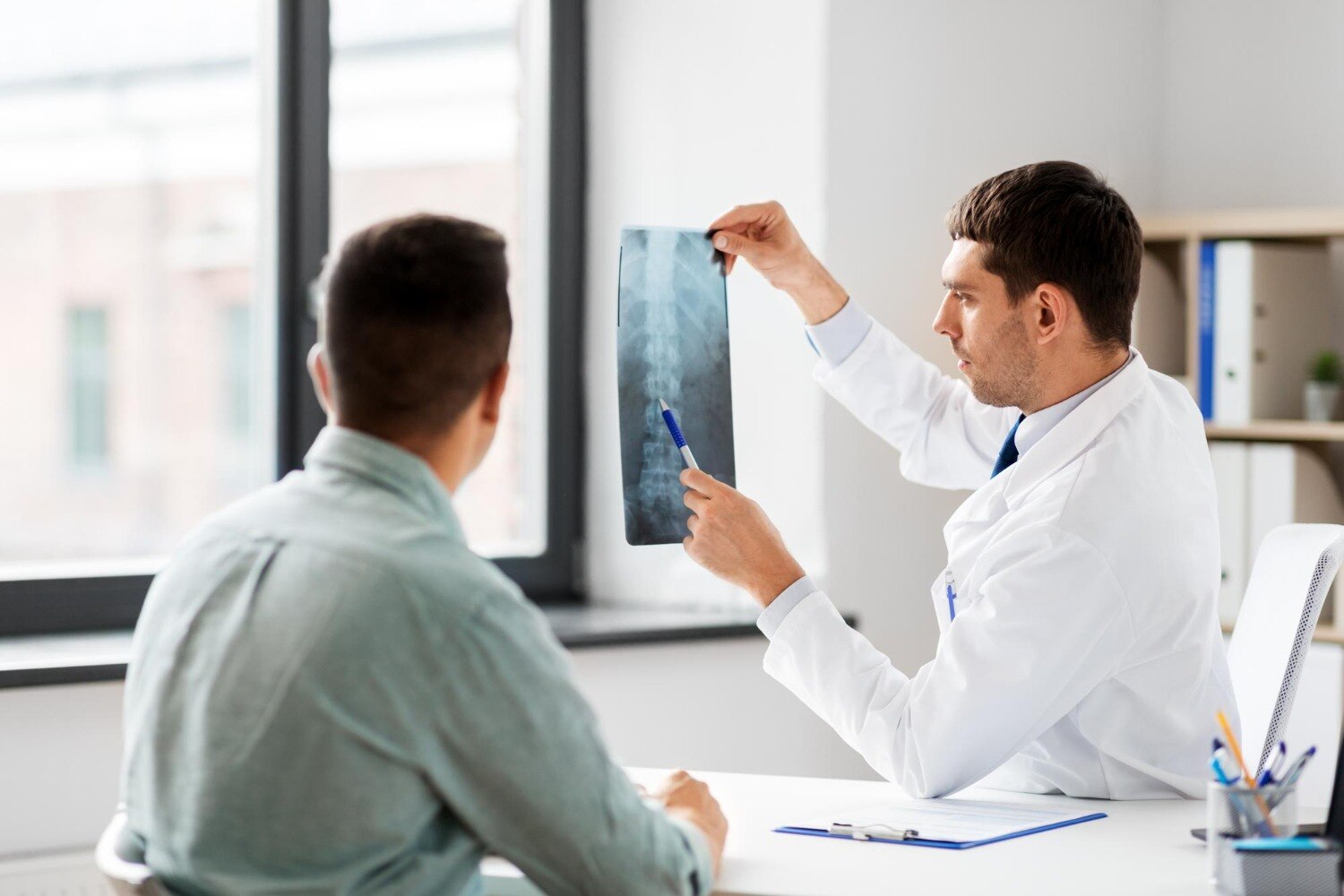
An X-ray is enough for many straightforward fractures and dislocations when the bone and joint alignment are clear. CT is useful for complex joint or pelvic fractures; MRI helps detect ligament, tendon, cartilage, or occult fractures that an X-ray misses.
What to compare when arranging care in Nagarabhavi
Choose a hospital that can keep the case moving if the injury is not limited to a broken bone. Ask who will assess the patient first, which services are available on site, and whether imaging, surgery, anaesthesia and admission can be coordinated without sending you elsewhere.
| Capability | What to verify | Why it matters |
|---|---|---|
| Emergency care | A clinician can assess circulation, bleeding, head injury and shock immediately | A cold limb, confusion or uncontrolled bleeding cannot wait for an outpatient appointment |
| Orthopaedics | An ortho doctor in Nagarabhavi can examine fractures, dislocations, ligaments and tendons | Bone and joint injuries need orthopaedic decisions, not only pain relief |
| General surgery | A general surgeon in Nagarabhavi can review abdominal, soft-tissue or penetrating injuries | A general surgeon is not a substitute for orthopaedic assessment |
| Imaging | X-ray is available, with CT access when head, spine or complex injury is suspected | A normal X-ray does not exclude every serious injury |
| Wound and anaesthesia | Wound cleaning, repair, tetanus assessment and anaesthesia support are coordinated | Contamination, deep cuts or an operation need more than a dressing |
| Inpatient care | Beds, monitoring and specialist review are available after treatment | Pain, swelling or medical risk can make same-day discharge unsafe |
ABHANI LAKEVIEW HOSPITAL is one option to assess against these practical questions, rather than choosing by specialty name alone.
Related service
GENERAL SURGERY Abhani Hospitals is a trusted destination for advanced General Surgery treatment in Nagarbhavi, Bangalore, offering expert care for a wide range of... View service → |
How to prepare for recovery, follow-up, and safe discharge
Bring your X-ray or scan reports, discharge papers, medication list, allergies, tetanus history, and details of diabetes or blood-thinner use to every follow-up. Keep the contact number and appointment date visible at home.
- Keep a wound clean and dry. Cover it with a waterproof dressing while bathing, then replace a damp dressing promptly; do not apply turmeric, powders, or antiseptic inside the wound.
- Keep a cast dry during rain and never push objects inside it to scratch. Elevate the limb, check exposed fingers or toes for increasing swelling, numbness, blue colour, or coldness, and seek urgent review if these appear.
- Follow the written weight-bearing limit exactly. Use crutches or a walker until cleared, and take pain medicine at the prescribed dose.
- Attend the scheduled wound, suture, cast, and X-ray reviews. Do not remove a splint or cast yourself.
Non-operative care still demands protection, mobility exercises, and several weeks of restricted activity. Surgery adds incision care, medication management, physiotherapy, transport planning, and help with bathing, stairs, cooking, or work. Return urgently for fever, spreading redness, pus, uncontrolled pain, or wound opening.
Frequently asked questions
What injuries can a monsoon fall cause?
A sideways slip can cause wrist fractures, shoulder dislocations, ankle sprains, ligament tears, and bruising. Potholes can twist the knee or ankle, while stairs can cause head, spine, hip, or tailbone injuries.
What should I do immediately after a fall?
Move away from traffic or further danger, keep the injured area still, and avoid putting weight on it. Apply a cold pack wrapped in cloth for short periods if there is swelling. Seek emergency care for severe pain, deformity, bleeding, numbness, weakness, head injury, or spinal pain.
Which specialist should I choose after a mixed fall injury?
An orthopaedic doctor assesses fractures, dislocations, sprains, ligament injuries, and joint problems. A general surgeon may be needed for deep wounds, contaminated cuts, damaged soft tissue, or an injury requiring wound surgery. Emergency symptoms require immediate hospital assessment.
How does an orthopaedic assessment determine treatment?
The doctor checks alignment, swelling, skin condition, circulation, sensation, and movement, then orders imaging when needed. Treatment can range from rest and a brace to reduction, casting, physiotherapy, or surgery after a fall.
What should I compare when arranging care in Nagarabhavi?
Check whether the facility provides emergency assessment, X-ray or other imaging, orthopaedic consultation, wound care, operating-room access, anaesthesia, and follow-up. Ask who will manage each part of a mixed bone, joint, and wound injury.
Keywords